

When it comes to caring for a mobile home, one of the most tasks homeowners face is achieving levelness. An unstable mobile home can lead to a variety of issues, from physical harm to inconvenient living conditions. If you’ve noticed doors getting stuck, crooked floors, or cracks in your walls, tackling these symptoms early can spare you time and frustration down the road. Fortunately, leveling your mobile home is a manageable DIY project that can enhance the security and comfort of your living space.
This detailed guide will guide you through the essential steps to achieve a smooth foundation for your mobile home. With How to level a mobile home , some initial knowledge, and a bit of effort, you’ll be able to change your home’s base and prevent future issues. From grasping the necessity of leveling to troubleshooting uneven floors, we’ve got you assisted. Let’s dive into the world of mobile home leveling, equipping you with the knowledge to tackle this critical upkeep duty with confidence.
Understanding Manufactured Home Leveling
Mobile home leveling is a critical maintenance task that makes sure your residence stays secure and protected. Over the years, the foundation of a manufactured home can change due to various reasons, including soil settlement, moisture changes, and freeze-thaw cycles. When installing skirting on a mobile home manufactured home is not level, it can lead to a range of issues that vary from slight annoyances, such as sticky doors, to more serious problems like damage to the structure.
The leveling process includes adjusting the support system under your mobile home to re-level it. This typically includes using adjustable supports or blocks and may require specialized tools like jacks and levels. Knowing the signs that show your manufactured home requires leveling is vital for homeowners, as early detection can prevent more serious repairs later on.
Additionally, consistent maintenance and checks are essential for keeping your manufactured home's stability after the initial adjustment. Homeowners should learn with the signs of an unlevel mobile home and schedule periodic check-ups to ensure long-term stability. Taking these preventive actions will help protect your investment and create a comfortable living environment.
The Leaning Procedure: Equipment and Methods
To embark on the leveling procedure of your mobile home, it is essential to gather the right tools and materials. A hydraulic lift or bottle jack is important for securely lifting the home at various points. You will also need wooden blocks or steel piers to support the home once it's lifted. Additionally, a spirit level (either a classic bubble level or a more advanced laser level) will help ensure that your home is just aligned. A wrench set, spacers, and safety gear including gloves and goggles are also necessary for a successful and secure operation.
Once you have your tools ready, the next step involves assessing the current level of your home. Start by measuring the height at different points along the foundation and analyze these measurements to determine where adjustments are needed. If your mobile home is determined to be out of level, start by jacking up the lowest corner first, using your hydraulic jack. Gradually lift the home while constantly checking the level to prevent over-lifting, which could lead to structural problems.
After achieving the desired level, fasten the frame with your support materials. Place blocks or piers under the chassis at regular intervals, ensuring they are firm and properly aligned. This step is critical as it provides long-term support to prevent future settling. Once everything is in place and secured, double-check the level of your home and make any minor adjustments as needed to ensure optimal stability.
### Maintenance and Long-Term Care
After leveling your mobile home, consistent upkeep is vital to keep it secure and shielded from future problems. Begin by verifying the level of your home a minimum of two times annually. Employ basic methods, like a bubble level or a water level, to confirm if any adjustments have taken place. This routine check will help catch any problems early before they escalate into bigger, more costly repairs.
In addition to checking for level, it’s important to inspect the supports and blocks regularly. Watch for indications of damage or deterioration in the wooden supports, and confirm that the blocks and piers are stable and devoid of fractures. Maintaining proper drainage around the foundation is also essential. An accumulation of excess water can cause soil erosion and impact the stability of the home. Make sure gutters and downspouts direct water away from the foundation.
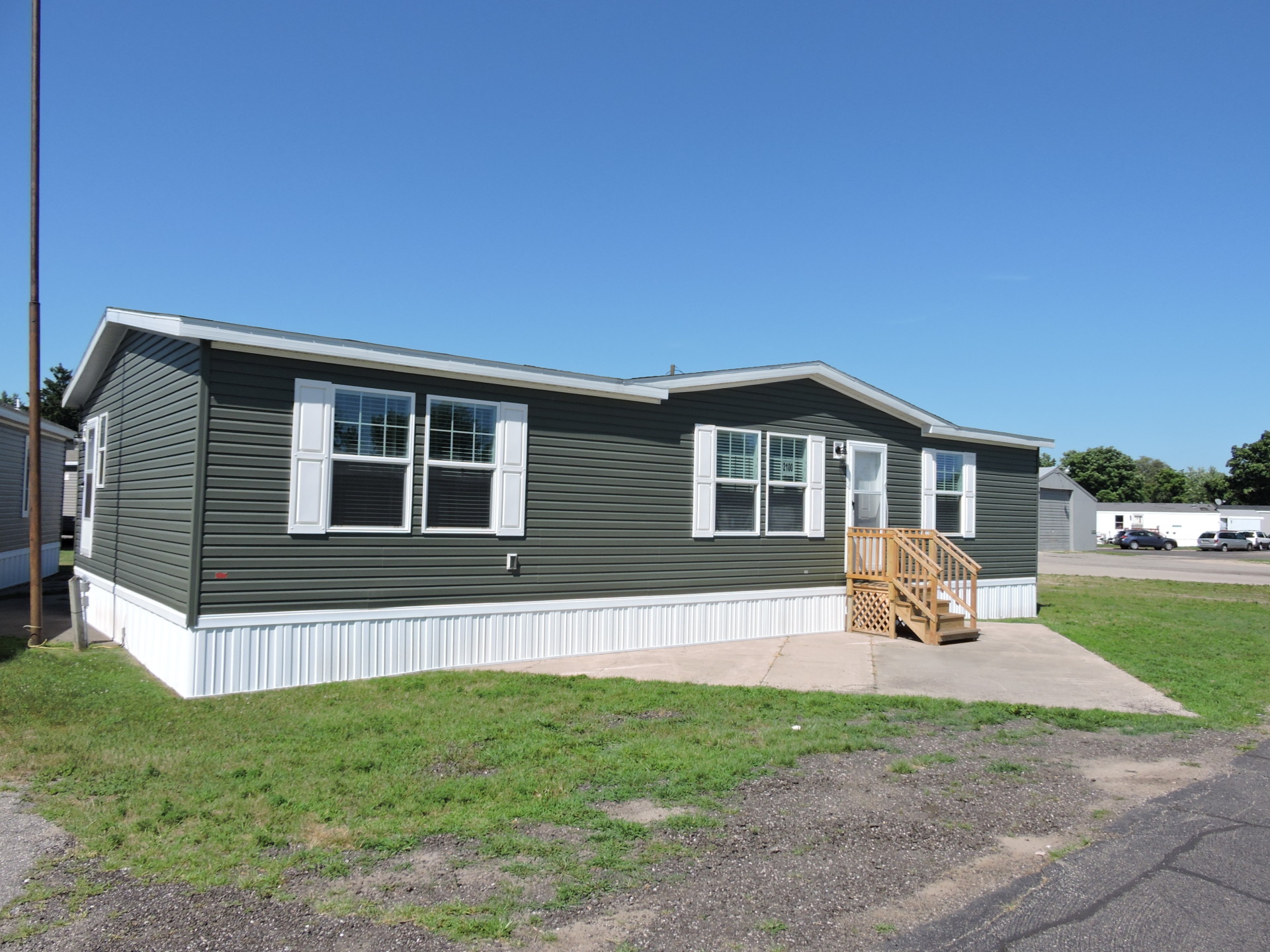
Finally, be mindful of environmental factors that could affect the level of your mobile home. Changes in soil conditions, freeze-thaw cycles, and seasonal shifts can create movement. Should you observe indicators like doors sticking or uneven floors, act promptly. By monitoring these factors closely and taking preventive measures, you'll ensure a stable and pleasant living space for many years ahead.